Your business is changing. Your leadership, talent and capability need to keep pace.
Growth, acquisition, new technology, AI, regulation or a change in strategy can expose gaps that weren't obvious before.
Groveworks helps you understand what's really happening, identify what matters most and build practical solutions that support where the business is going next.
The challenge isn't usually knowing that something needs to change. It's understanding what, why, and where to start.
The person behind the work
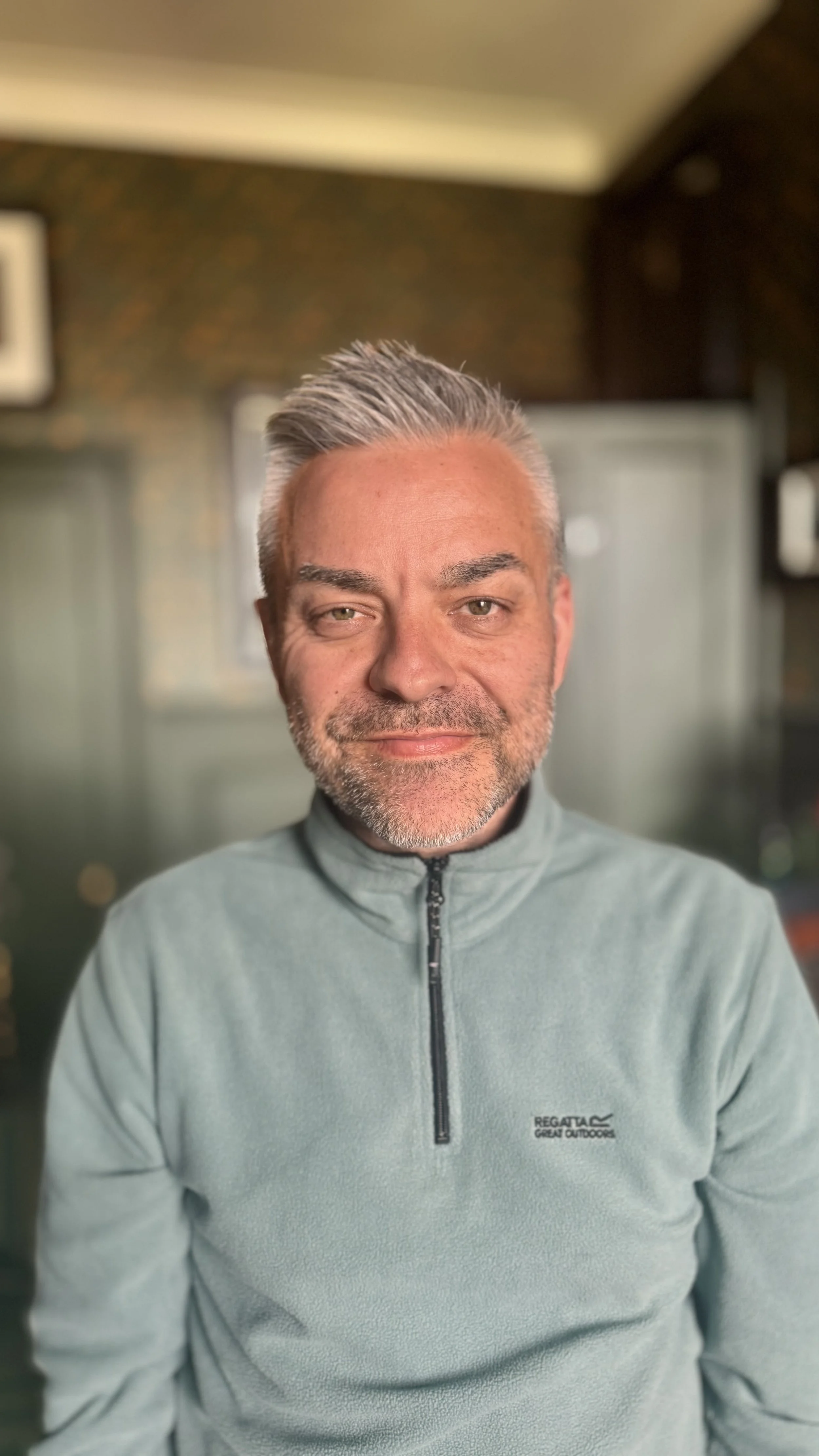
I'm David Whitson-Black. I've spent nearly twenty-five years inside organisations building the infrastructure that growth depends on — most recently across a PE-backed professional services group that grew from 200 to over 9,000 people. I work with CEOs, executive teams and People leaders who know something structural needs to change — and want someone who has done it before, at scale, under pressure. Groveworks is how I do that work independently.
Does any of this sound familiar?
You know something needs to change. You're just not sure where to start.
Most of the organisations I work with are experiencing one or more of these. If any of them resonate, we should talk.
Growth has outpaced your people infrastructure
The business has changed faster than the leadership, talent and capability around it. What worked before isn't enough for what comes next.
Your people processes aren't delivering the outcomes you need
Performance, talent or development processes exist, but leaders aren't using them well, they're too complicated, or they're simply not improving performance.
Leadership and talent aren't strong enough for what comes next
You have good people, but succession is unclear, leadership capability is inconsistent, or you're not confident you have the depth needed for future growth.
The business is changing and you're not yet clear what it means for your people
Growth, acquisition, AI, technology, regulation or a new strategy is changing the organisation. You need to understand what that means for roles, skills, leadership and capability.
What this work actually produces
These are results from real engagements across my career — not benchmarks or projections.
40% → 95%
Performance completion rate — rebuilt from the ground up and sustained across multiple years
400+ leaders
First group-wide succession map — giving executive and board level a real picture of risk and pipeline readiness for the first time. Internal promotion rates up 8%.
70+ acquisitions
Leadership and capability infrastructure designed to hold through sustained M&A activity — scaling from a small domestic business to an international group
Seven figures
Saved through automation and systemisation of early-careers and development processes — handling over 20,000 interactions annually
100+ co-creators
Shared leadership language embedded as a core pillar of a five-year growth plan — built with leaders, not handed down to them
Nearly twenty-five years of doing this work. From the inside.
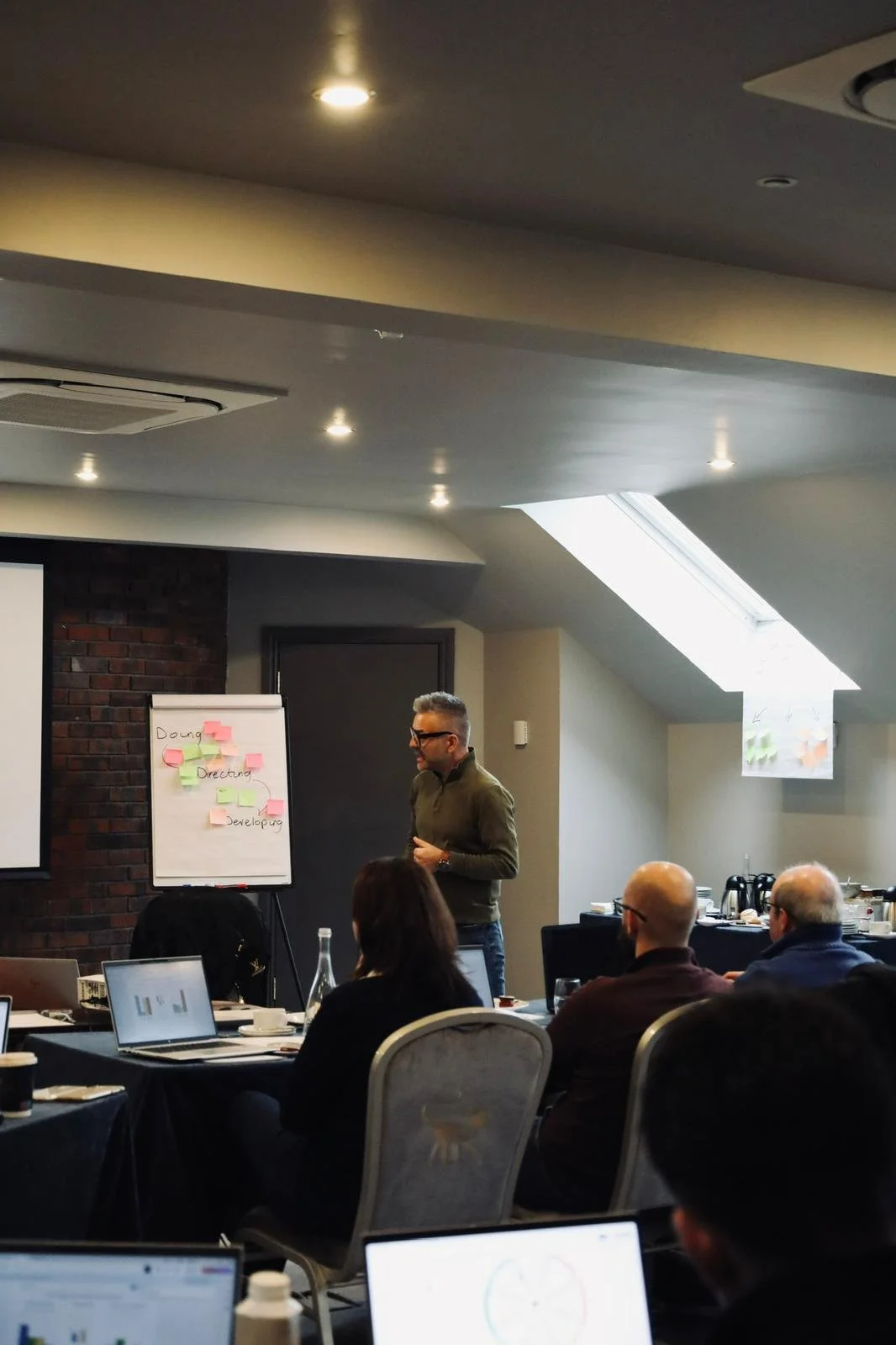
I'm David Whitson-Black. I've spent my career inside organisations building the things that make growth sustainable — succession pipelines, performance cultures, leadership frameworks, capability infrastructure. Not designing them for someone else to implement. Building them, embedding them, and staying until they hold.
Most recently I spent eleven years at Azets — a PE-backed, acquisitive international professional services group — where I led talent, performance and leadership development as the business grew from around 200 people to over 9,000 across multiple countries and was involved in more than 70 acquisitions. Before that, over a decade in financial services building similar foundations in a different sector.
I've sat at executive and board level conversations about succession risk, leadership capability and people strategy. I know what those conversations need to be grounded in. And I know how to get there without wasting time.
Groveworks is how I do this work independently — with PE-backed businesses, scaling organisations and complex multi-entity groups where pace, alignment and leadership infrastructure matter most.
If something here resonates with what you're working on, I'd love to talk.
I come in fast, get a clear picture of what's actually happening, and work with you to build what the business needs next, then stay close enough to make sure it works.
I've spent twenty years inside organisations doing this work. I know what boards are asking, what CEOs are worried about, and what actually holds up under pressure. I don't need time to get up to speed on the context — reading organisations quickly is part of what I do.
I work across both individuals and organisations — the people and the infrastructure. Most of the time, you need both.
What this typically looks like:
A focused succession or leadership depth review — giving you and your board a real picture of risk, readiness and where capability needs to be built
A performance or talent reset — making sure the processes, conversations and decisions actually improve performance and development
Leadership and organisational capability — building the leadership, skills and capability the business needs for where it's going next
Workforce and change support — understanding what growth, acquisition, AI, technology or a change in strategy means for roles, skills, leadership and capability
Interim or fractional leadership — stepping into a senior Talent, Performance, Learning or Capability remit when you need experienced leadership now
Leadership and executive team development — designing and facilitating practical development, team effectiveness and psychometric work where it serves a wider business need
Engagements usually start with a short diagnostic conversation. You don't need to arrive knowing what the solution is. I'll help you understand what's really happening, what matters most and whether I'm the right person to help. No long sales process. If something here sounds familiar, a conversation is the best place to start.
What I do.
Every engagement starts with the business.
What's the strategy? What's changing? What's already working? Where are leaders and teams struggling? What capability will the organisation need next?
I look beyond the presenting problem to understand the underlying causes, risks and priorities. What looks like a performance problem might actually be a leadership issue. A retention problem might expose weak succession or development. An AI initiative might have much wider implications for roles, skills and how work gets done.
From there, we agree what matters, what can wait and what tangible outcomes we need to achieve.
Diagnose → Prioritise → Build → Embed → Hand over
The solution depends on the problem. I can build and implement what's needed, work alongside your internal team, provide senior interim or fractional leadership, or hand over a clear roadmap for your team to take forward.
Where my direct involvement adds value, I'll deliver it. Where someone else is better placed to deliver at scale, I'll help establish the right approach and capability.